

Introduction
When it comes to choosing a new smartphone in 2025, one question continues to dominate the conversation: Which is the better phone, iPhone or Android?
Table of Contents
With each brand evolving at lightning speed, it can be hard to determine which device truly delivers more value. In this detailed blog, we compare iPhones and Android phones side by side to help you decide which phone is better for your needs, budget, and preferences.
1. User Interface and Customization
When it comes to customization, Android takes the lead. Most Android phones let you change everything from icon packs to widgets, lock screens to system fonts. Whether it’s Samsung’s One UI, Xiaomi’s MIUI, or Google’s Pixel experience, Android users enjoy flexibility.
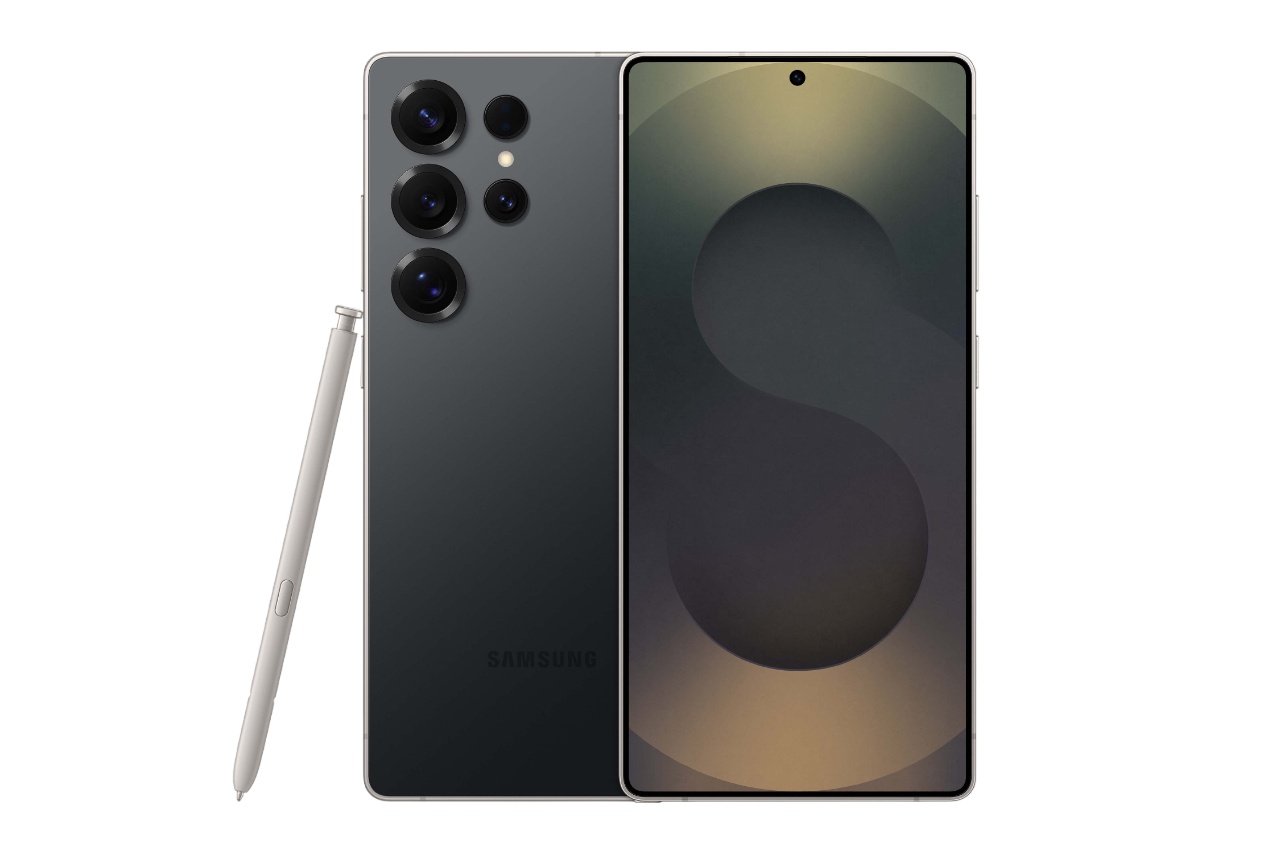
In contrast, iPhones stick to a consistent, minimal layout. While iOS has introduced widgets and some personalization over the years, it’s still far less customizable compared to Android.
If customization is important to you, Android is the better phone.
2. Software Experience
iOS: Simplicity and Security
Apple’s iOS is known for its clean interface, regular updates, and tight security. The App Store is strictly curated, offering peace of mind for privacy-conscious users.
Android: Customization and Flexibility
If you love tweaking your phone’s layout, widgets, and system settings, Android is for you. Android gives you more control, but it can be inconsistent across devices.
3. Ecosystem Integration: Apple’s Strength
If you already own a MacBook, iPad, or Apple Watch, the iPhone seamlessly integrates with them. Features like AirDrop, Universal Clipboard, FaceTime, iCloud, and Handoff make life incredibly smooth.
Android’s ecosystem is improving, especially with Google services and Samsung’s continuity features, but it still lags behind Apple’s overall user experience.
If ecosystem matters, iPhone wins hands down.
4. Which is the Better Phone, iPhone or Android, for Photography?
In 2025, iPhones will still dominate in video recording quality with cinematic mode, consistent colors, and better stabilization. But Android phones, especially from Google, Samsung, and Xiaomi, have caught up in still Photography with improved sensors, AI processing, and night mode.
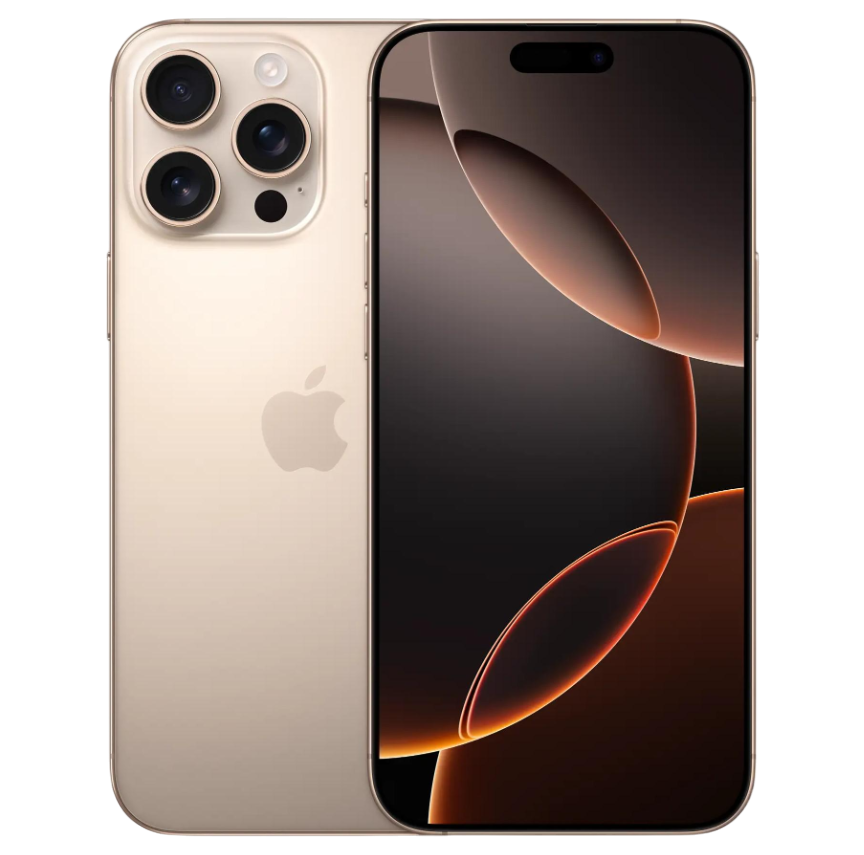
Phones like the Pixel 9 Pro XL, Galaxy S25 Ultra, and Vivo X200 Ultra offer features even iPhones don’t have, like periscope zoom and advanced astrophotography.
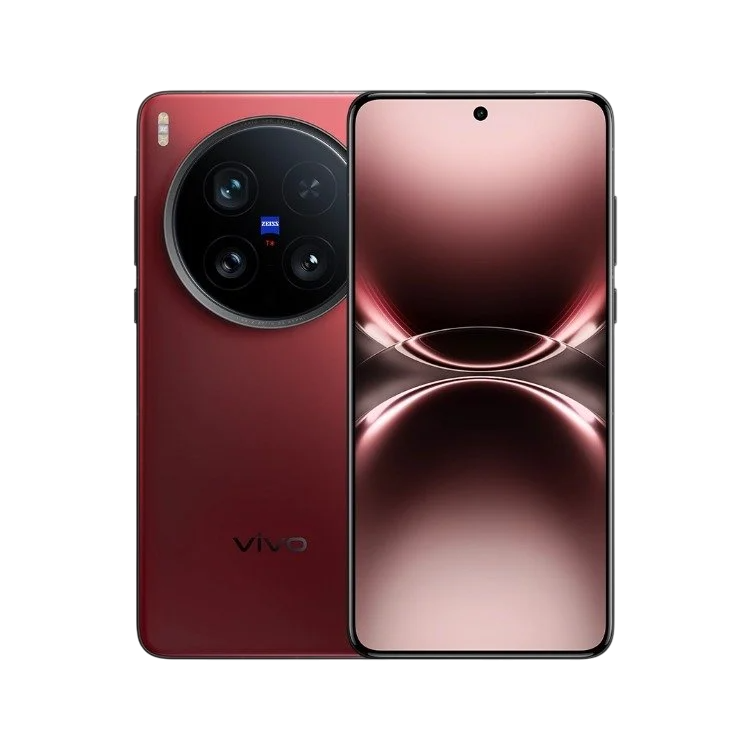
iPhones are better for video, but Android phones win in versatility and features..
5. Which is the Better Phone, iPhone or Android, for Battery and Charging?
Android phones usually have faster charging (some even with 100W+ charging speeds) and larger batteries. iPhones focus more on battery optimization and long-term battery health.
6. Price and Value: Android Offers More Options
There’s no denying it, Android phones offer better value for money. From budget options under $300 to premium devices, you get a range of choices with impressive features like 120Hz displays, massive batteries, and versatile cameras.
iPhones, on the other hand, are expensive. Even the iPhone SE costs more than some capable Android mid-rangers. However, iPhones retain resale value better, which balances out the investment for some users.
If you’re on a budget or want more variety, Android is the better phone.
7. Which is the Better Phone, iPhone or Android, for Longevity
and Updates?

One of the biggest reasons why many choose iPhones is the long software support. Apple supports phones for 5–6 years, ensuring your device stays updated and secure.
Android phones typically offer 2–4 years of updates, unless you buy a Google Pixel or Samsung flagship,
which now promises up to 7 years (starting with 2024/25 models).
If you keep phones for years, the iPhone is the better phone.
Conclusion: Which is the Better Phone, iPhone or Android?
Ultimately, the answer to which is the better phone, iPhone or Android, depends on your needs. Choose iPhone if you value long-term updates, strong privacy, and ecosystem. Opt for Android if you want flexibility, hardware variety, and affordability.
For many users in 2025, the best phone is the one that meets their lifestyle, not just a brand name.
Compare Apple iPhone 16 Pro Max vs Samsung Galaxy S25 Ultra side by side. Our table below provides a detailed, unbiased analysis of all key specifications and features to help you make an informed decision: no prices or sales, just pure information and expert insights.
Frequently Asked Questions
What makes iPhones stand out from Android phones?
iPhones are known for their seamless performance, long-term software support, and tight integration with other Apple products. They also emphasize privacy and user security more aggressively than most Android brands.
Why do some people prefer Android over iPhones?
Android devices offer more flexibility, diverse hardware options, and a wide range of prices. Customization and expandable storage are major reasons why users lean toward Android.
Is it easier to switch from Android to iPhone or vice versa?
Switching from Android to iPhone can feel restrictive due to iOS limitations, while moving to Android often feels more open. However, Apple’s Move to iOS app simplifies the transition process.
Which phone lasts longer in terms of updates: iPhone or Android?
Generally, iPhones receive updates longer than most Android phones. For example, Apple supports older iPhones for up to 6 years, while Android brands vary, though Google and Samsung are closing the gap.
In terms of overall value, which phone should I choose?
If you’re looking for long-term reliability, resale value, and a polished user experience, an iPhone might suit you better. But if you want more choice and control, Android delivers excellent value, especially in mid-range segments.


.jpg)

